

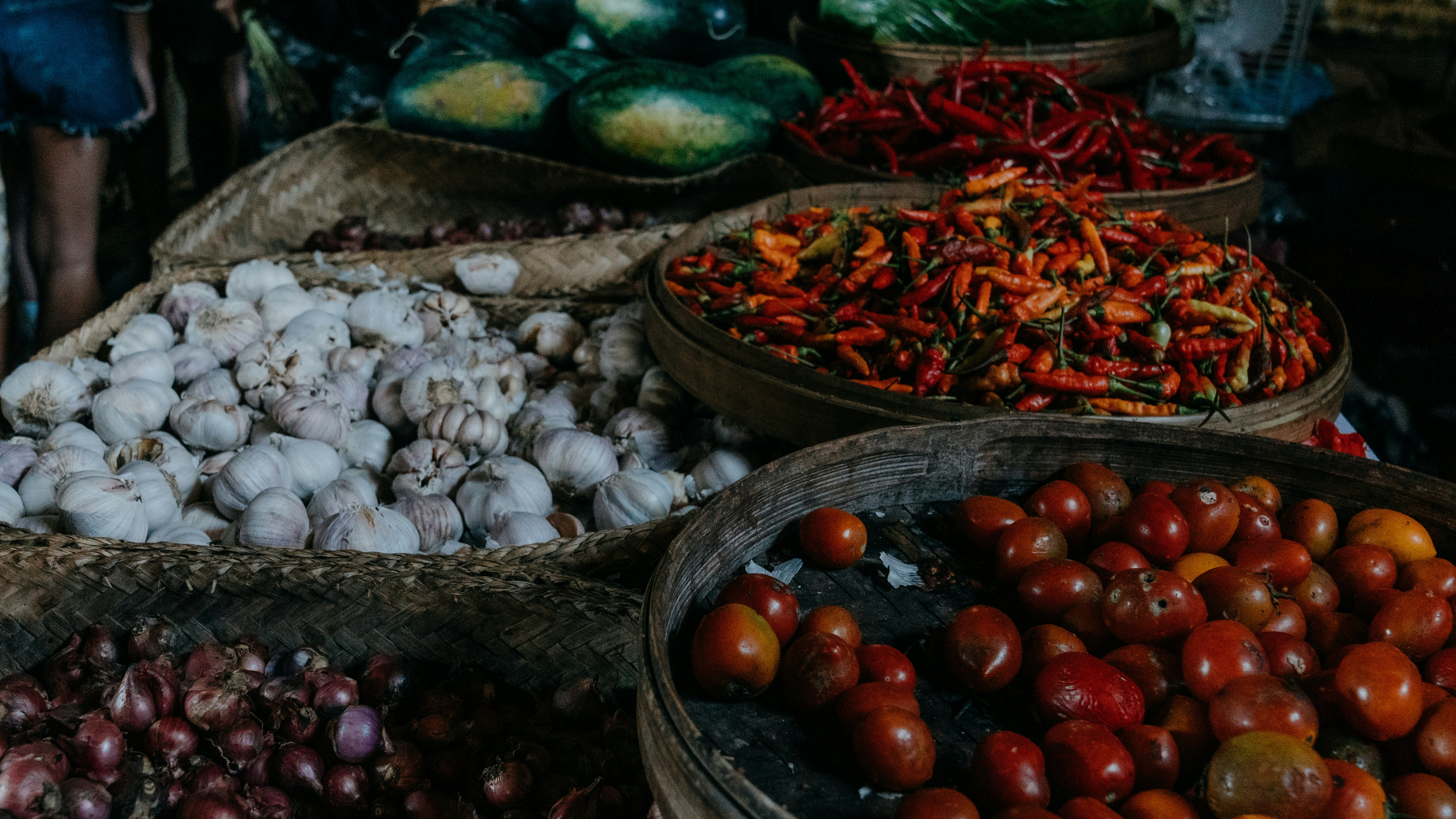
If you've ever wondered why the price of tomatoes seems to triple overnight, or why onions are cheap in October but expensive in March, you're asking the right questions. Seasonal price fluctuations in Nigerian food markets follow predictable patterns — and understanding those patterns can save households thousands of naira every year.
The Agricultural Calendar Drives Everything
Nigerian food prices are fundamentally driven by the agricultural calendar. Most crops have defined planting and harvest seasons, and prices respond accordingly. During harvest season, supply is high and prices fall. As the harvest is consumed and stocks dwindle, prices rise. This cycle repeats every year with remarkable consistency.
Tomatoes, for example, are harvested primarily between October and January in northern Nigeria, which is the country's main tomato-producing region. During this period, supply is abundant and prices are low. By March and April, as the dry season takes hold and fresh tomatoes become scarce, prices can be three to four times higher than at peak harvest.
Regional Price Differences
Nigeria's size and infrastructure challenges create significant price differences between regions. A commodity that's abundant and cheap in its production region may be expensive in a distant consuming region because of transport costs and logistics challenges.
Understanding these regional differences can create opportunities for savvy buyers. Purchasing commodities in producing regions during harvest season — either for immediate consumption or for storage — can yield significant savings compared to buying in consuming regions during the off-season.
The Role of Storage
One of the most powerful tools for managing seasonal price fluctuations is storage. Households and businesses that can store non-perishable commodities — grains, dried legumes, spices, palm oil — during the low-price harvest season can avoid paying peak prices during the off-season.
Traditional storage methods — clay pots, grain silos, underground storage — have been used in Nigeria for centuries. Modern hermetic storage bags and small-scale cold storage facilities are improving on these traditional methods, reducing post-harvest losses and extending the shelf life of stored commodities.
Processed and Preserved Foods
Processing and preservation are another way to capture the value of seasonal abundance. Tomatoes that would otherwise rot at harvest can be processed into tomato paste, dried tomatoes, or tomato powder that can be stored and used throughout the year. Peppers can be dried and ground. Surplus vegetables can be fermented or pickled.
These preservation techniques have been practiced in Nigerian households for generations, but they're increasingly being adopted at commercial scale by food processing businesses that buy during the low-price harvest season and sell processed products throughout the year.
Using Market Data to Your Advantage
The most sophisticated market participants — large food companies, commodity traders, and well-informed households — use historical price data to anticipate seasonal fluctuations and make purchasing decisions accordingly. This information advantage has historically been available only to large players.
Digital platforms are democratising access to market price data, giving ordinary consumers and small businesses the same visibility into price trends that was previously available only to well-connected traders. Understanding when prices are likely to rise and fall is the first step to making smarter purchasing decisions — and keeping more money in your pocket.