

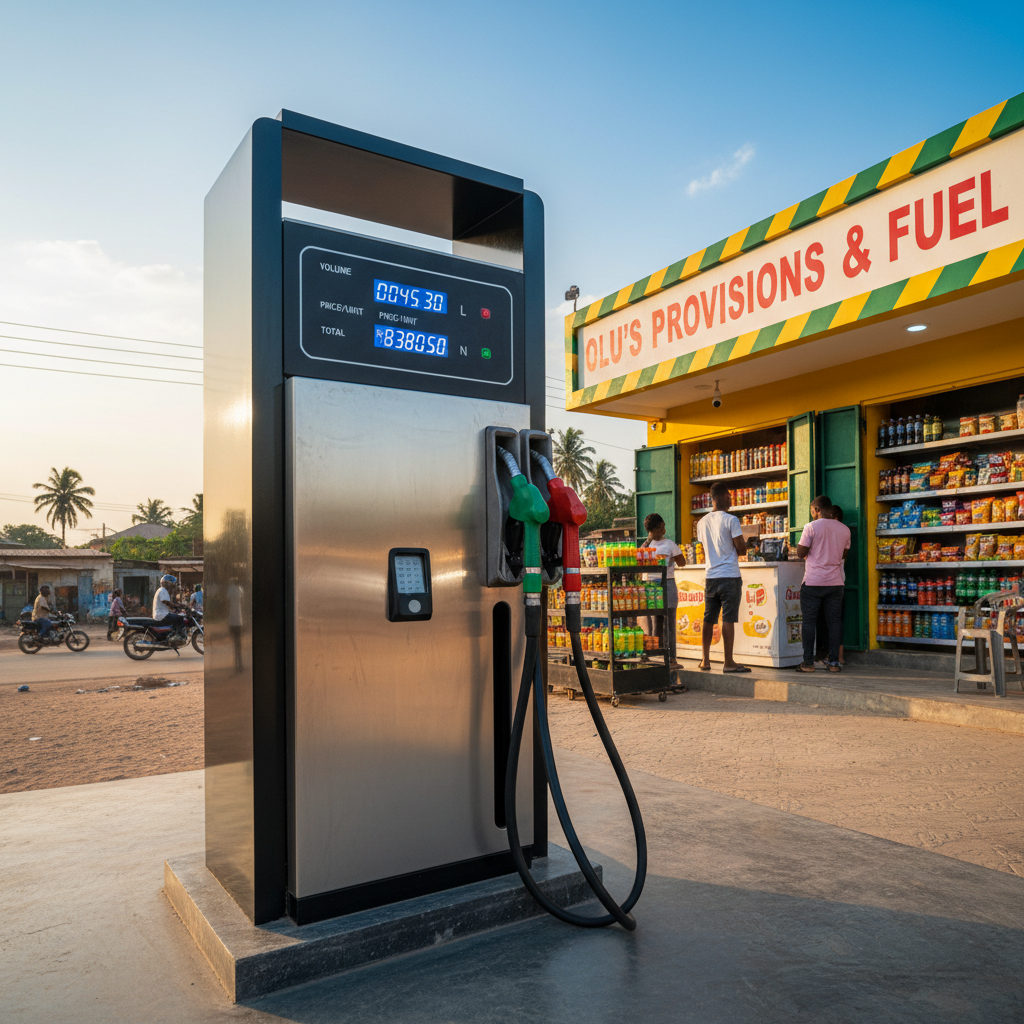
Nigeria's retail landscape is dominated by small, informal businesses — the corner shops, market stalls, and roadside kiosks that serve the daily needs of millions of Nigerians. These businesses are the backbone of the consumer economy, yet they've historically operated without the tools and data that larger retailers take for granted.
That's changing. A new generation of affordable, mobile-first technology is putting powerful business tools in the hands of small retailers — and the results are transformative.
The Inventory Problem
For most small Nigerian retailers, inventory management means a mental ledger and occasional physical counts. This approach leads to predictable problems: stockouts of popular items, overstocking of slow-moving goods, and no visibility into which products are actually driving profit.
Simple inventory management apps, many designed specifically for the Nigerian market, are solving this problem at minimal cost. By scanning barcodes or manually entering stock movements, retailers can track what they have, what they're selling, and what they need to reorder — all from a smartphone.
The impact on profitability can be significant. Retailers who know their fast-moving items can negotiate better bulk prices with suppliers. Those who can identify slow-moving stock can discount it before it becomes a loss. And those who can predict demand can avoid the stockouts that send customers to competitors.
Digital Payments and Financial Inclusion
The shift to digital payments has been one of the most significant changes in Nigerian retail over the past five years. POS terminals, mobile money, and bank transfer payments have become standard in many markets, reducing the risks associated with handling large amounts of cash and creating a digital record of transactions.
For retailers, digital payment records are more than just convenient — they're a financial history that can be used to access credit. Several fintech companies now offer working capital loans to small retailers based on their transaction history, providing access to finance that traditional banks have historically denied to informal businesses.
Supply Chain Connections
Perhaps the most transformative technology for small retailers is improved supply chain connectivity. Platforms that connect retailers directly with distributors and manufacturers are eliminating the layers of middlemen that inflate prices and reduce margins.
A corner shop owner in Ibadan who previously bought goods from a local wholesaler at marked-up prices can now order directly from a distributor, receive delivery within 24 hours, and pay on credit terms that match their cash flow. The savings on cost of goods can be reinvested in expanding stock range or improving the shop environment.
The Human Element
Technology is a tool, not a solution. The most successful small retailers who adopt new technology are those who combine digital tools with the deep customer relationships and local market knowledge that have always been their competitive advantage.
The corner shop owner who knows every customer by name, remembers their preferences, and extends credit to trusted regulars is not going to be replaced by an algorithm. But that same owner, armed with better inventory data, digital payments, and direct supplier connections, can run a more profitable business while continuing to provide the personalised service that keeps customers coming back.