

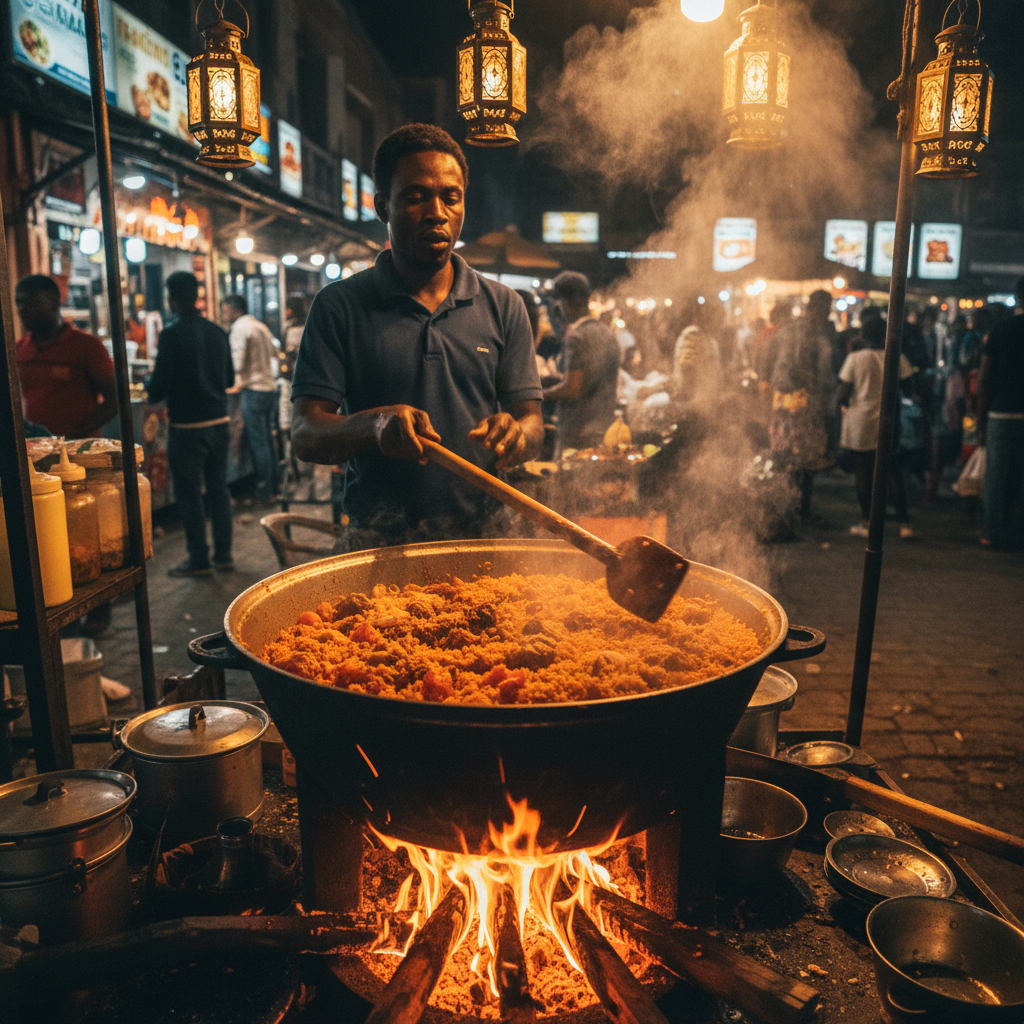
Nigerian food is having a moment. From the suya stalls of Abuja to the jollof rice debates that ignite social media every few months, Nigerian cuisine is asserting itself on the global stage with a confidence that would have seemed unlikely a decade ago. And behind this cultural moment is a rapidly growing food economy with profound implications for farmers, entrepreneurs, and the country's identity.
The Global Nigerian Diaspora Effect
The Nigerian diaspora — estimated at over 15 million people worldwide — has been the primary driver of international demand for Nigerian food products. Nigerians living in London, Houston, Toronto, and Dubai want the flavours of home: egusi, ogbono, crayfish, stockfish, palm oil, and the dozens of spices and condiments that define Nigerian cooking.
This diaspora demand has created a thriving export market for Nigerian food products. Dried and processed goods — crayfish, egusi, ogbono, dried pepper, and various spice blends — travel well and have found their way onto the shelves of African grocery stores across Europe and North America.
The Restaurant Revolution
Nigerian restaurants are opening in major cities around the world, and they're no longer confined to immigrant neighbourhoods. High-end Nigerian restaurants in London and New York are introducing the cuisine to non-Nigerian audiences, creating new demand for authentic ingredients and generating cultural cachet that benefits the entire food economy.
This restaurant revolution is creating opportunities for Nigerian food entrepreneurs who can supply authentic, high-quality ingredients to international buyers. The challenge is consistency and food safety certification — requirements that many small-scale Nigerian producers are still working to meet.
What This Means for Farmers
The growing global appetite for Nigerian food creates real opportunities for Nigerian farmers — but only if the supply chain can deliver consistent quality at scale. International buyers require reliable supply, predictable quality, and compliance with food safety standards that are more stringent than domestic requirements.
Meeting these standards requires investment in post-harvest handling, processing, and packaging. It also requires the kind of market intelligence and buyer connections that individual smallholder farmers rarely have access to on their own. This is where platforms and cooperatives can play a transformative role — aggregating supply, ensuring quality standards, and connecting farmers to international buyers.
Protecting Culinary Identity
As Nigerian food goes global, there are legitimate questions about authenticity and cultural ownership. When a Nigerian spice blend is manufactured in Europe using substitute ingredients, is it still Nigerian food? When jollof rice is served in a Michelin-starred restaurant without acknowledgment of its origins, who benefits?
These are not just philosophical questions — they have real economic implications. Protecting the geographical indications and cultural heritage of Nigerian food products could create significant value for Nigerian producers, similar to how French champagne or Italian Parmigiano-Reggiano command premium prices based on their certified origins.
The Nigerian food economy is at an inflection point. The global moment is real, the opportunity is significant, and the decisions made now about quality, authenticity, and market development will shape the industry for decades to come.