

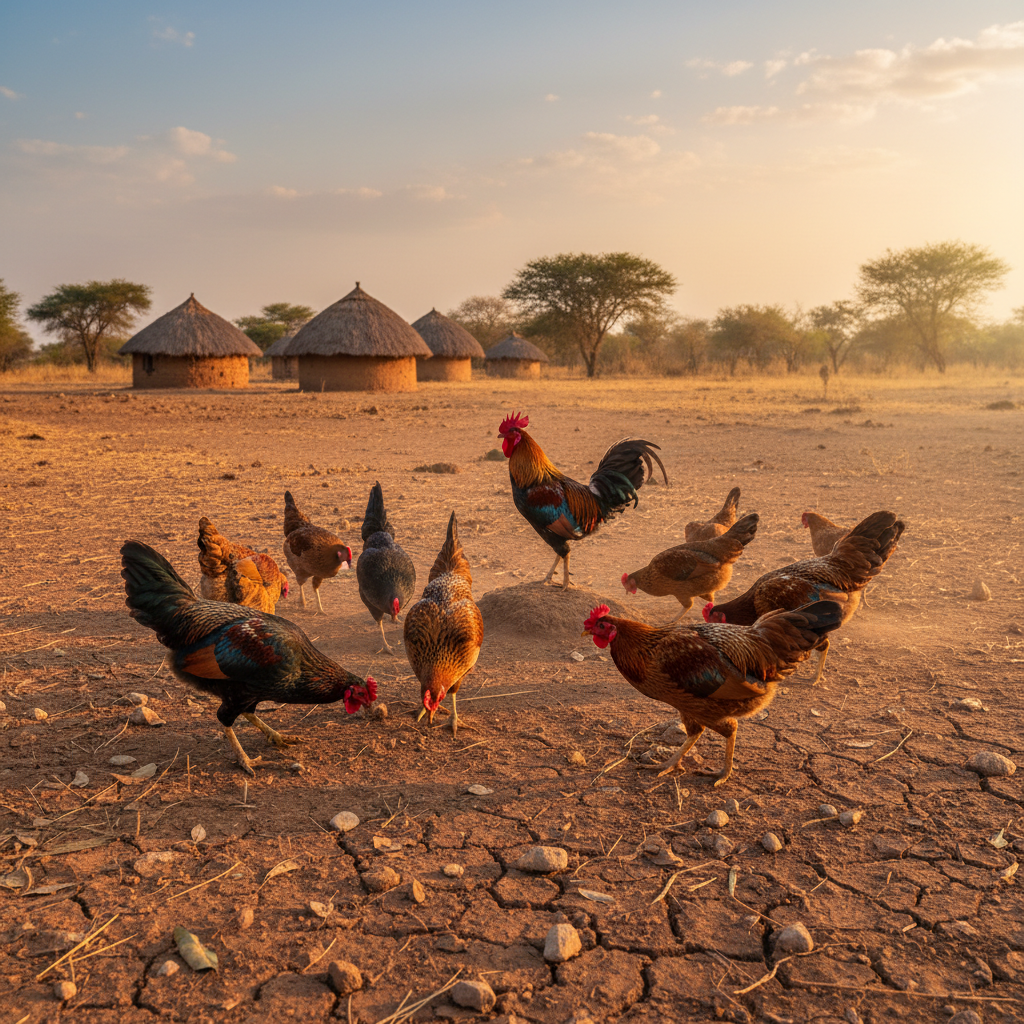
For Nigerian farmers, the dry season — roughly November to March across most of the country — presents both a significant challenge and a significant opportunity. The challenge is obvious: without rainfall, crops that depend on consistent moisture will fail without irrigation. The opportunity is less obvious but equally real: farmers who can irrigate during the dry season face less competition and often command premium prices for fresh produce.
Understanding the Dry Season Landscape
Nigeria's dry season is driven by the harmattan, a dry and dusty wind that blows from the Sahara Desert across West Africa. In the far north, the dry season can last six months or more. In the south, it's shorter but still significant. The key variable is access to water — either from rivers, boreholes, or stored rainwater.
Farmers near major rivers like the Niger, Benue, and Kaduna have natural advantages. Fadama farming — cultivation in the floodplains and low-lying areas adjacent to rivers — has been practiced in northern Nigeria for centuries and remains one of the most productive forms of dry season agriculture.
Irrigation Options for Smallholders
Modern irrigation technology has made dry season farming more accessible than ever. Drip irrigation systems, which deliver water directly to plant roots through a network of tubes and emitters, use up to 70% less water than traditional flood irrigation while producing better yields. The upfront cost has fallen significantly in recent years, and several government programmes offer subsidised access to smallholder farmers.
Solar-powered water pumps are another game-changer. In areas where electricity is unreliable or unavailable, solar pumps can draw water from boreholes or rivers at minimal operating cost. The initial investment is recovered within a few growing seasons through reduced fuel costs and increased productivity.
Crop Selection Matters
Not all crops are equally suited to dry season production. Vegetables — tomatoes, peppers, onions, leafy greens — are particularly well-suited because they have relatively short growing cycles and high market value. A farmer who can supply fresh tomatoes to urban markets during the dry season, when supply is limited, can earn significantly more per kilogram than during the wet season glut.
Wheat and sorghum are also important dry season crops in northern Nigeria, particularly in areas with access to irrigation infrastructure. These cereals provide food security and income for millions of farming households.
Smart Water Management
The most successful dry season farmers are those who treat water as the precious resource it is. Mulching — covering the soil around plants with organic material — dramatically reduces evaporation and can cut irrigation requirements by 30-40%. Scheduling irrigation for early morning or evening, when evaporation rates are lowest, further improves efficiency.
Soil health is also critical. Well-structured soils with good organic matter content retain moisture more effectively than degraded soils. Farmers who invest in composting and cover cropping during the wet season are better positioned for dry season production.
The dry season is not an obstacle to be endured — it's an opportunity to be seized by farmers with the right knowledge, tools, and market connections.