

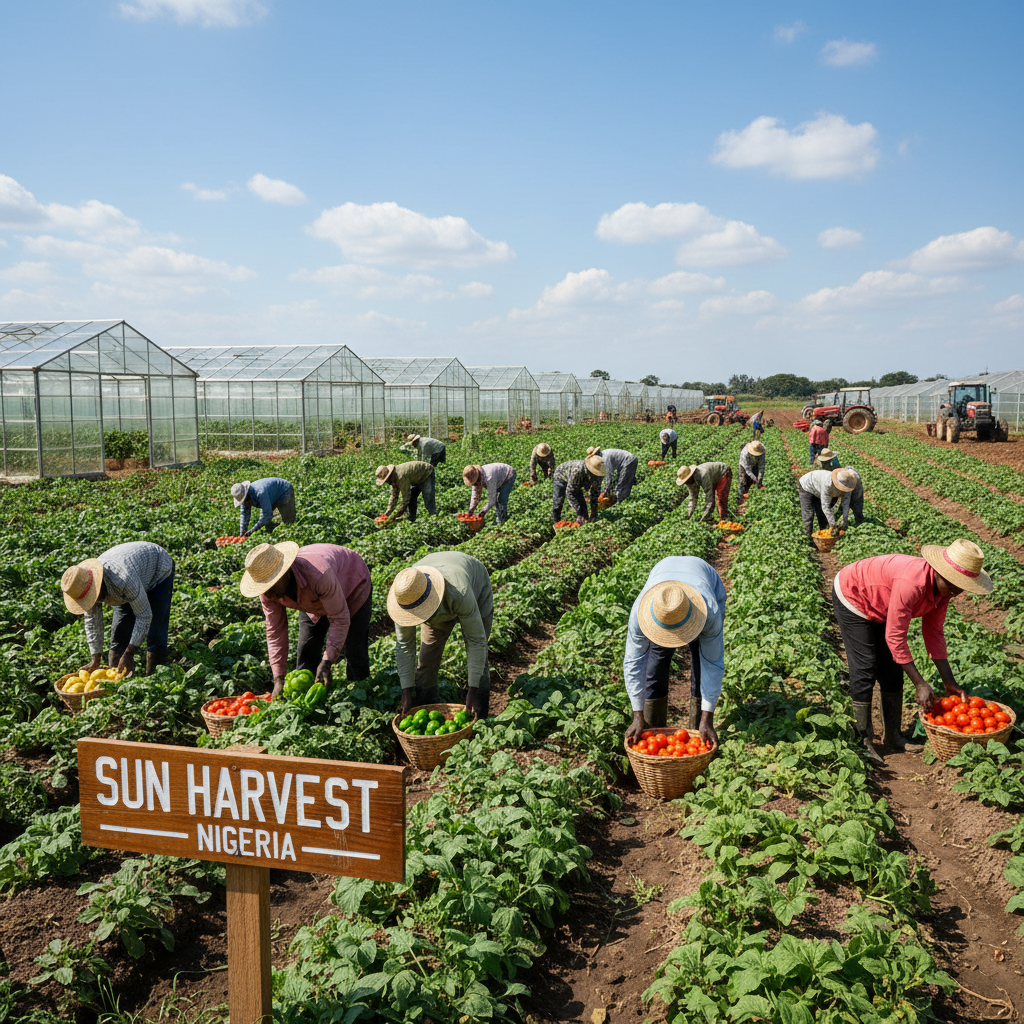
Nigeria loses an estimated 40% of its agricultural produce to post-harvest losses every year. That's not a rounding error — it's a systemic failure that costs the country billions of naira annually, keeps food prices artificially high for consumers, and traps farmers in cycles of poverty despite working some of the most fertile land on the continent.
The Anatomy of the Problem
Post-harvest losses in Nigeria occur at multiple points in the supply chain. At the farm level, inadequate storage facilities mean that perishable produce begins to deteriorate almost immediately after harvest. In transit, poor road infrastructure and the absence of cold chain logistics accelerate spoilage. At the market level, oversupply during peak harvest seasons drives prices so low that farmers sometimes abandon produce in the field rather than pay to transport it to market.
The middlemen who dominate Nigeria's agricultural supply chain — the aggregators, transporters, and wholesale traders — add cost at every step without necessarily adding value. A tomato that leaves a farm in Kaduna for ₦50 may arrive in Lagos priced at ₦300, with the farmer receiving only a fraction of the final retail price.
What Digital Transformation Looks Like
Digital marketplaces are beginning to address these inefficiencies in several ways. Direct farmer-to-buyer connections eliminate unnecessary intermediaries, ensuring that more value flows to producers. Real-time price data helps farmers make informed decisions about when and where to sell, reducing the information asymmetry that middlemen have historically exploited.
Logistics platforms are creating more efficient routing for agricultural transport, reducing the time produce spends in transit. Some platforms are partnering with cold storage facilities to offer farmers access to refrigerated storage on a pay-per-use basis — a model that makes cold chain logistics accessible to smallholders for the first time.
The Role of Data
Perhaps the most transformative aspect of digital supply chains is the data they generate. When transactions are recorded digitally, patterns emerge that were previously invisible. Which crops are consistently oversupplied in which regions? Which markets have persistent shortages? Where are the bottlenecks in the logistics network?
This data can inform better planting decisions, more efficient routing, and smarter investment in infrastructure. It can also help financial institutions assess the creditworthiness of farmers and agribusinesses, unlocking access to capital that has historically been unavailable to the agricultural sector.
The Path Forward
Solving Nigeria's agricultural supply chain crisis requires coordinated action from government, private sector, and civil society. Infrastructure investment — roads, electricity, cold storage — is essential and cannot be replaced by technology alone. But digital platforms can make the most of existing infrastructure while the longer-term investments are made.
The opportunity is enormous. A more efficient Nigerian food supply chain would lower food prices for consumers, increase incomes for farmers, reduce food waste, and strengthen the country's food security. The technology exists. The business case is clear. What's needed now is the will to implement it at scale.